Power Grid Failures Shouldn’t Threaten Broadband Networks
Author

Len Visser
Share


Internet and mobile operators can’t ignore the threat of power grid failures anymore. No longer a theoretical risk, outages are not confined to specific regions. Events likes dangerous weather or wildfire presents widespread risk to the public: operational communications with emergency services are imperative.
Within the last five years, the world has experienced several national-scale outages. With power-dependent broadband and mobile networks going down as well, risk-to-life concerns were amplified. Inadequate resilience and backup measures were directly linked to communication failures.
Europe: In April 2025, Spain and Portugal experienced Europe’s most severe grid failure in over 20 years. Spain lost roughly 15 GW, around 60% of its supply, with power taking around 16 hours to restore.
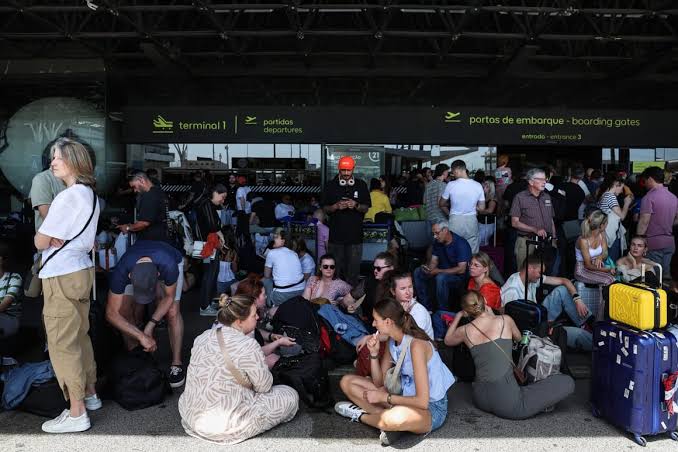
Emergency services and transport systems were heavily disrupted during the outages, with mobile providers reporting triple the normal roaming traffic. For operators with decent power redundancy, large parts of their network continued running. For one, however, inadequate backup resulted in an entire day without service for 90% of their customer base.
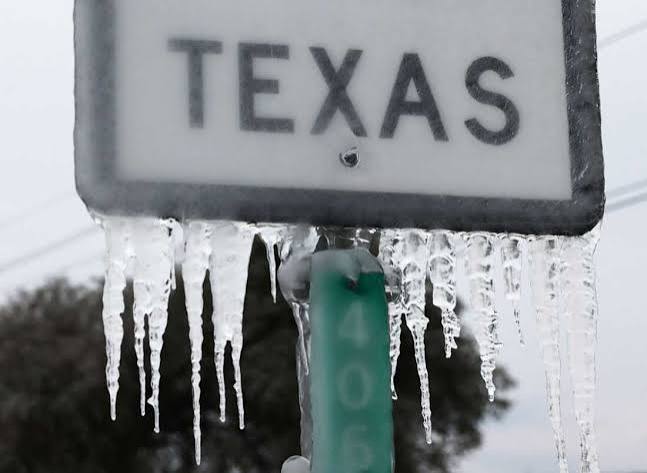
North America. In February 2021, a storm overwhelmed an isolated Texas grid, becoming the largest U.S. energy-infrastructure failure in two decades. The outage contributed to hundreds of deaths and over four million customers were without electricity. For many, it was the first heavy snowfall they’d experienced. In a region unaccustomed to extreme conditions, the freezing temperatures outlasted site batteries. Recovery proved tough for a number of wireless providers.
Image credit: Joe Readle for Getty Images North America, via NPR.
South America: A single high-voltage transmission fault left 90% of Chile’s population without power in February 2025. Mobile and internet services dropped offline within minutes, and busy metro services stopped mid-service. Fallback on fuel-based generators impacted hospitals and critical care was significant. The Chilean government imposed a state of emergency and an overnight curfew. The blackout was similar to a 2019 event in Argentina, which affected tens of millions of people across neighboring countries. Already impacted by drought-driven supply shortfalls, hydropower grids in Ecuador and Brazil found themselves under additional strain.
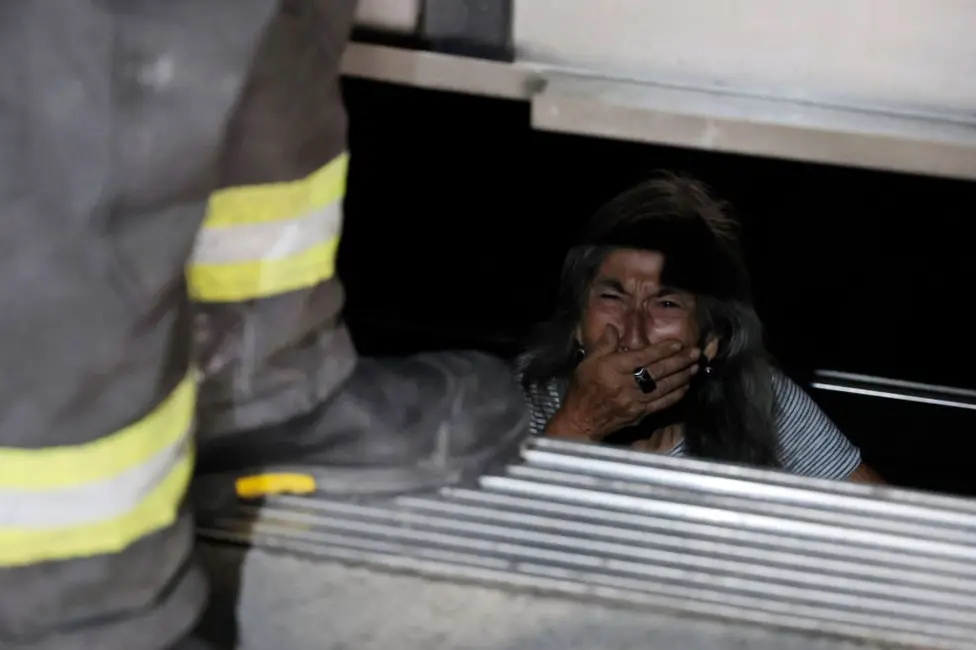
Image credit: Getty Images via BBC.
Trapped in darkness in a lift that stopped between floors, a 70-year-old woman in Santiago had to scream to get rescuers’ attention.
No matter the trigger – extreme weather, ageing infrastructure, or protection system faults – the outcome is the same: networks without sufficient independent backup will go down in power grid failures.
At Technetix, we know that resilience at the network edge is no longer an optional extra. Our compact lithium-based backup powering solutions for broadband networks offer several advantages over traditional VRLA batteries. The LiFePO4 provides longer run-time, safer composition and the ability to withstand environmental temperature extremes. As grid failures increase and global reliance on telecommunications rises, power that holds up is essential.
Author: Len Visser, Senior Product Manager, Powering Solutions
Len is based at Technetix’ Canadian site, and is the company go-to on all things powering. His 45-year career in electronics engineering and powering technologies has seen a lot of change over the decades. One thing stays the same, though: his love of ‘ham’ radio and designing and building his own equipment and antenna systems.