Technetix + UNGC’s Sustainability Development Goals
Share


With global internet traffic expected to double by 2030, our customers must provide more connections, capacity and speed. In parallel with this significant upscale, internet providers are expected to achieve their sustainability development targets. Our responsibly produced innovations help them by reducing emissions, delivering premium performance, and conserving resources.
The United Nations Global Compact (UNGC) Sustainability Development Goals (SDGs) offer us a framework to apply to our own technological research and development. We help our partners stay on track with their targets by applying the goals to our own operation.
What are the UNGC SDGs?
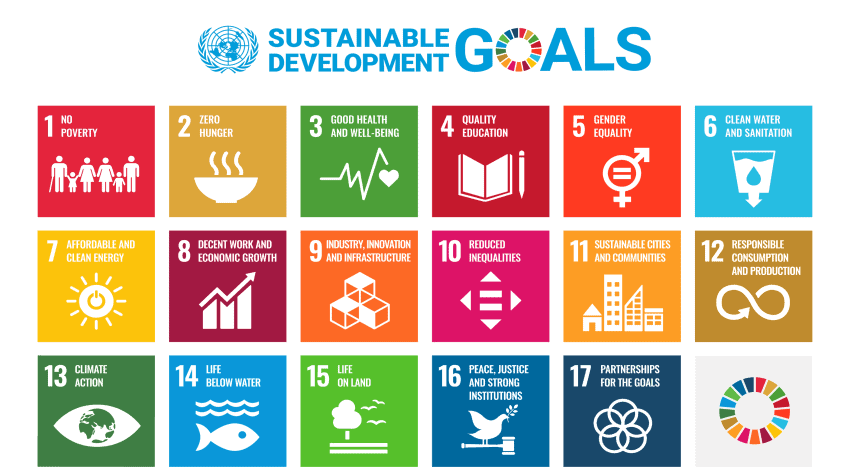
They’re a collection of 17 strategies that “provide a shared blueprint for peace and prosperity for people and the planet.” They address worldwide issues and inequalities in education, health, economic growth, climate change, water cleanliness, and wildlife. For businesses, the SDGs provide a valuable structure around a complex global agenda.
What do the SDGs mean to Technetix?
We joined the UN Global Compact in 2021 to reinforce our commitment to drive business action in support of the SDGs. They have helped our company target the areas where we can make the most impact. Through our commitments to the UNGC, we share strategies and learn from examples of others taking action for the goals.
Our efforts touch on a number of the goals. Yet, as a product and technology company, three are central to our own strategy. In order of applicability, they are:
Goal 13: Climate action.
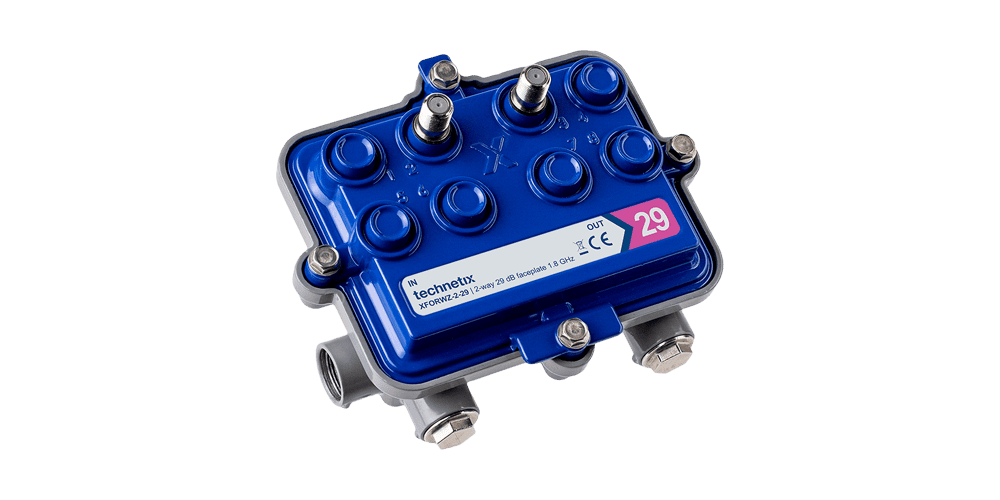
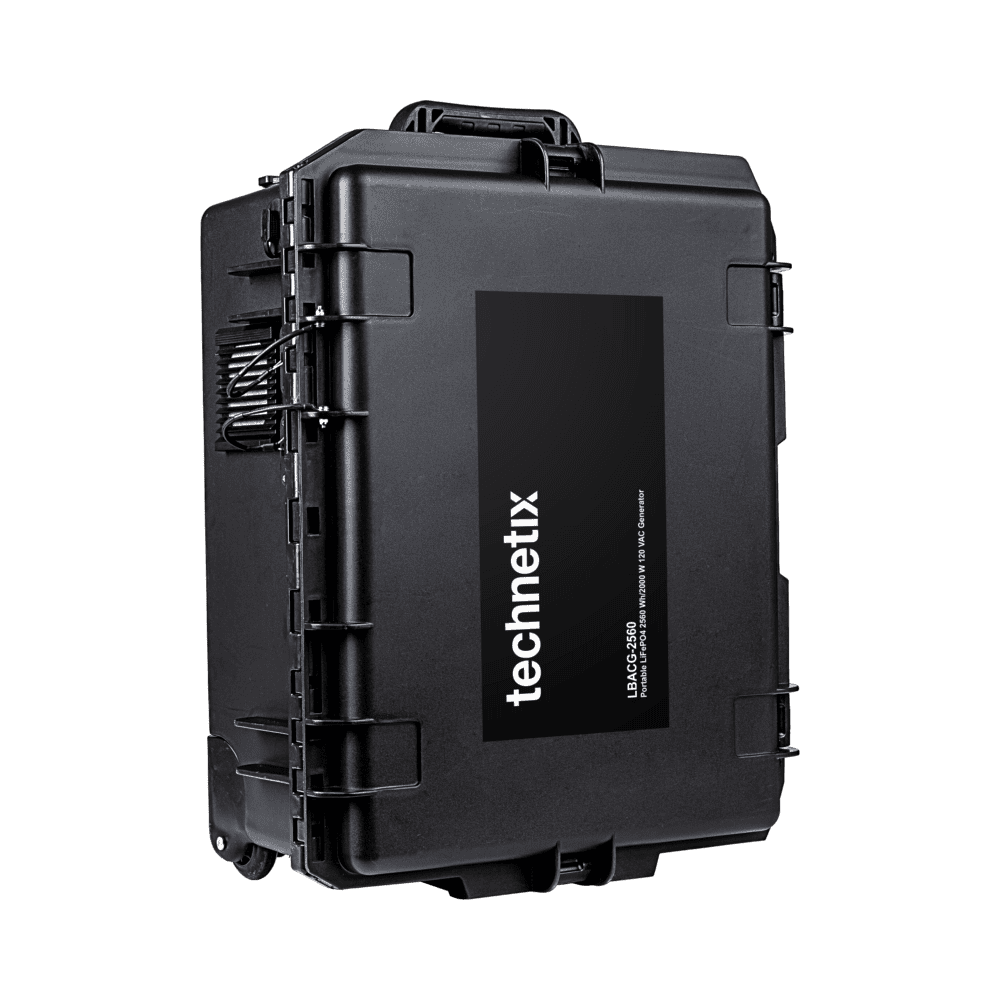
Network operation generates a huge amount of emissions. This can be from powering the outside plant, or from installation, upgrade, and maintenance. To help mitigate this, our active products can operate in low power mode. This helps reduce emissions and can save our customers up to 30% energy in both cable and fiber networks.
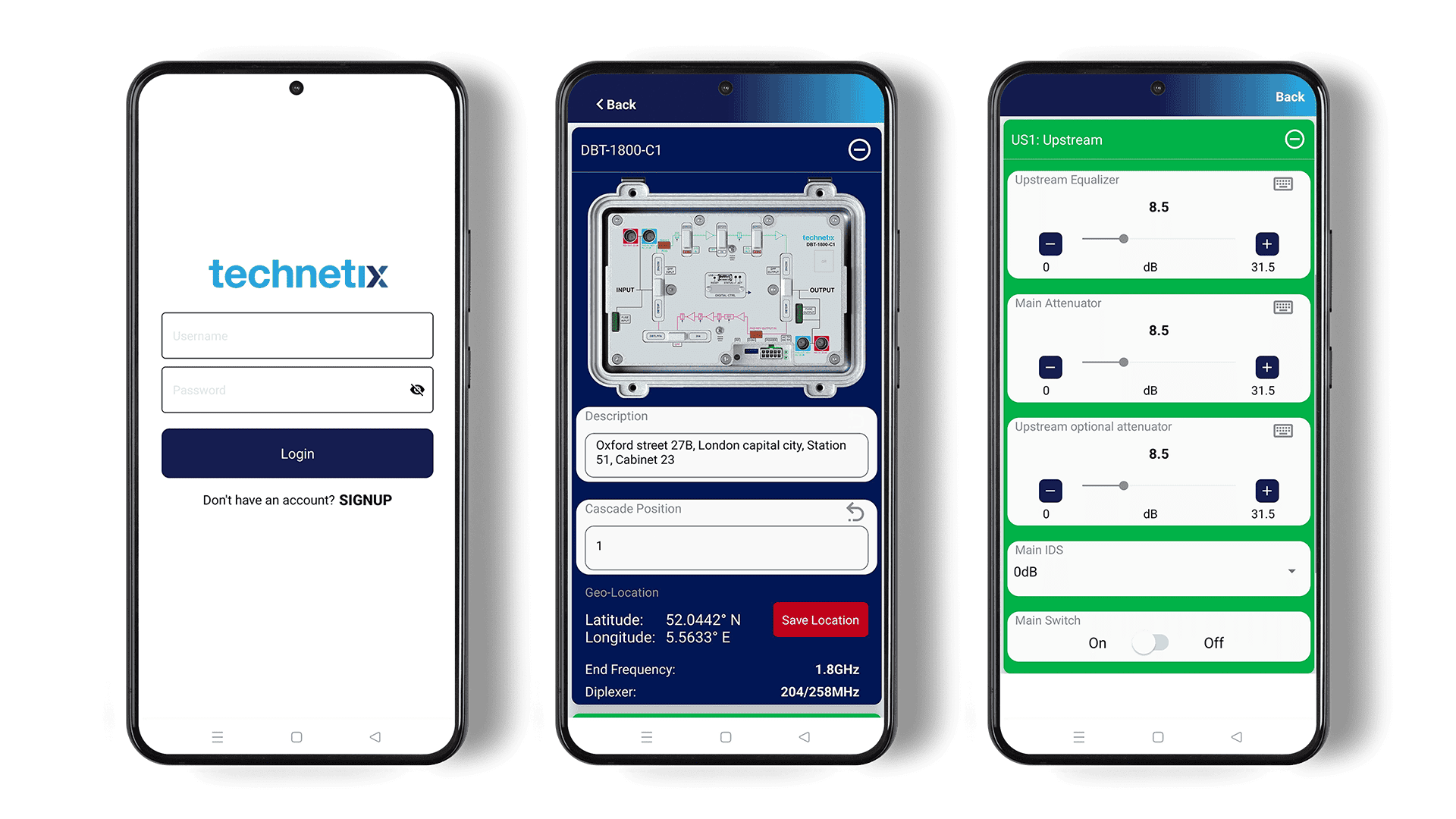
In addition, our software and mobile apps support technicians setup equipment remotely and centralize ongoing management. This helps to lower emissions from truck rolls and increased labor resourcing.
Goal 12: Responsible consumption and production.
We engineer products that remain operational and functional for as long as possible in order to reduce waste. We do this through longevity, modularity, upgradeability, and repair.
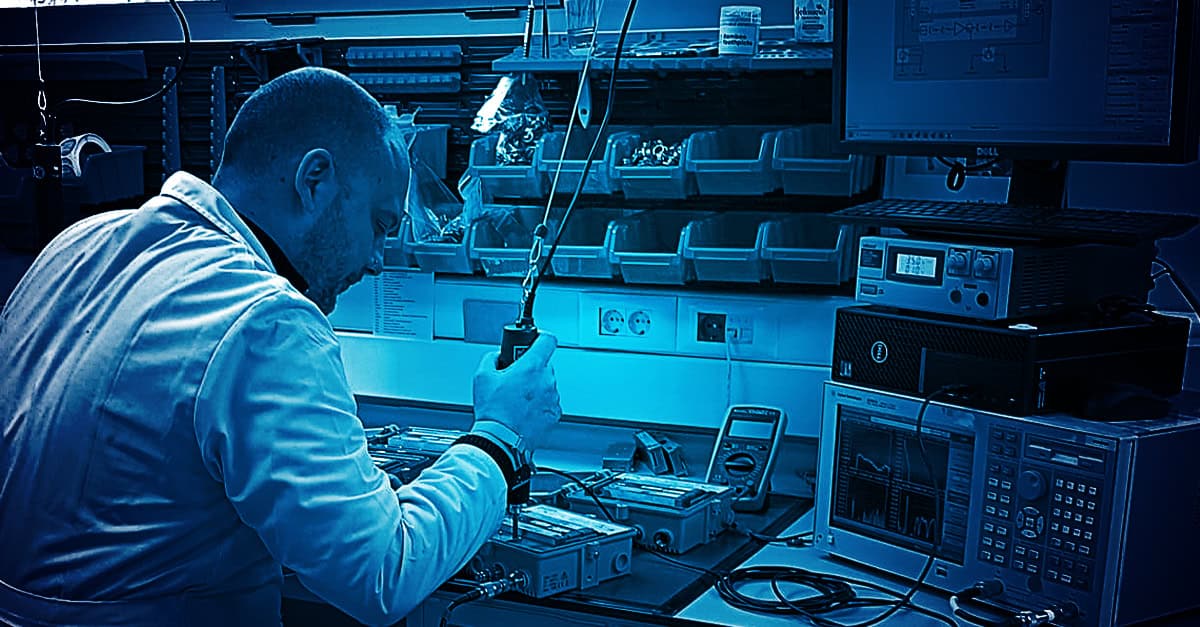
In 2024 we opened a maintenance and repair center. This was to double-down on our efforts around product longevity and lifecycle to enhance our customer service. By the end of last year, the center had processed a staggering 1,000 amplifiers.
Many of our products are also interoperable with other brands so network owners aren’t ‘locked in’ to supplier exclusivity. This avoids the resource-intensive ‘rip-out-and-replace’ approach to network improvements.
Goal 9: Industry, innovation, and infrastructure.
Our industry has a key role to play in digital inclusion, and in developing resilient digital infrastructure. We focus on problem-solving for our customers and look for shared value. This increases data capacity, network powering, speed and reliability, and helps drive the fiber optic network transition too.
Full fiber networks may consume less power, but transitioning from legacy copper and coax cable infrastructure is a major undertaking. Most emissions from full fiber networks are generated in the construction phase. After all, the most sustainable network is the one that exists already. We develop solutions to support the switch over from cable to fiber. This gets the most out of existing network components and helps minimize environmental impacts of rebuilds.
Why should businesses actively support the SDGs?
According to the latest UN report, only 12% of SDG targets are on track. Globally, directives and regulations are experiencing delays. Some some administrations have even become hostile to the sustainability agenda. More than ever, it falls to business and consumers to drive progress on the goals. As we approach 2030, we need to pick up the pace.
The SDGs can also work as a framework to identify risks and opportunities. For example, extreme weather and scarcity of materials can threaten supply chains. The level (or lack) of mitigating action can seriously impact brand perception. If companies don’t address their risks and opportunities, they will have to bear the cost. Tackling the goals isn’t just an altruistic pursuit, it is necessary for long-term business resilience and success.
Technetix key sustainability achievements.
In 2020 we launched an initiative with Virgin Media O2 to remove single-use-plastic (SUP) from our packaging. This year, we were proud to say that this is near completion. Since the collaboration began, we have removed over 23 tons of SUP from their product supply chain, helping to reduce the emissions from plastic production, address plastic pollution, and conserve life on land and at sea.
In 2021 we set near-term science-based targets. These are approved emissions reduction goals in line with climate science. Last year, we surpassed our goal and reduced our emissions from our operations by 60%. The next big milestone will be Net Zero! Decarbonization is critical to a sustainable future.
For the first time in 2022, our sustainability report publicly set out our strategy, initiatives, achievements. It’s important to communicate ambitious goals and progress: transparency helps keep everyone focused.
In 2023 we launched our Supplier Code of Conduct and Supply Chain Due Diligence program. The premise of these is to assess suppliers on their existing efforts around health and safety, labor, environment, and ethical standards. We believe that supporting suppliers optimize, improve, and even recast their standards is key to advancing sustainable development.
In 2024 we finally achieved a Gold medal (top 5%) from EcoVadis, the leading business sustainability ratings organization. Completing the annual assessments helps to ensure that we keep driving our sustainability agenda across environment, labor and human rights, ethics, and responsible procurement.
Our advice to businesses aiming to advance the SDGs…
It’s essential to involve people across your entire organization in the sustainability journey, from every level and every department. Achieving real, lasting impact requires cross-functional collaboration.
What others care about is critical to understand. Companies should be driven by the relationship between sustainability and cost, not just their bottom line. Build the business case, look for shared benefits, and collaborate up and down the value chain where you can.
Author – Anna Burns, Group Operational Excellence & Sustainability Director
Anna leads Technetix’ sustainability strategy and is chair of the company’s cross-functional Sustainability Steering Committee.