Operator Challenges #2: Network Modernization and Deployment
Author

Amelia Streeter Smith
Share

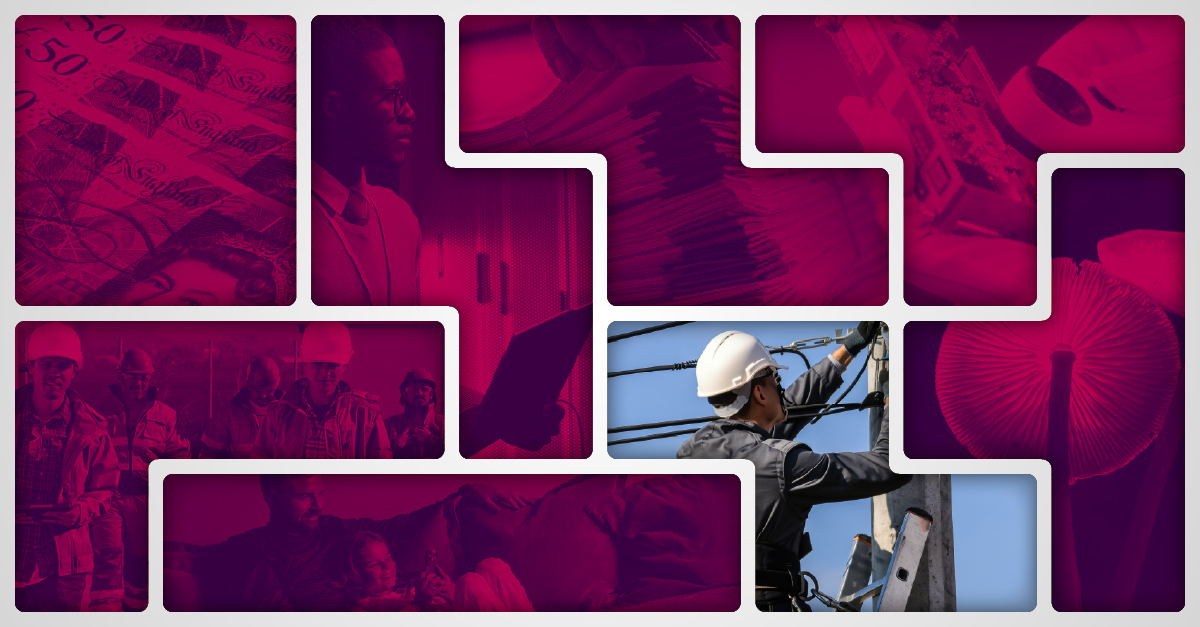
Technetix Business Development Director, Amelia Streeter Smith, examines the biggest operator challenges in today’s telecoms industry. In part two, Amelia considers the difficulties providers have when it comes to network modernization and infrastructure upgrades.
The drive for network modernization and efficiency has become essential for operator survival. But delivering next-generation connectivity is a tall order commanding significant investment. This is especially true for fiber network expansions and 5G rollouts in dense urban environments. These issues leave operators relying on ageing, inflexible infrastructure that struggles to support new technologies.

With evolving customer demands for competitive packages that over-deliver on speed and performance, the task of enhancing network reliability becomes increasingly time-sensitive. In parallel, modernizing legacy-heavy infrastructure remains capital-intensive, complex and operationally disruptive if not approached with care.
How best to modernize quickly to stay competitive, but without compromising resilience, sustainability or ROI?
Network modernization is no longer a single transformation event. It is an ongoing, phased journey that need careful prioritization, design and execution.
The when? is clear: delays increase technical debt, limit service innovation, and raise long-term operating costs.
The greater difficulty is how?
So, what now?
For many operators, the answer is incremental modernization, not wholesale replacement. Legacy networks can’t be switched off overnight. Operators must find ways to extend the lifespan of existing infrastructure while gradually introducing fiber-deep architectures, virtualization and next-generation access technologies.
Solutions that are backwards compatible, flexible and deployment-ready support upgrade at pace without creating fragmentation across the network. After all, modernization must reduce complexity; not add to it.
Network modernization for density, scale and speed
Urban environments pose a unique challenge, where deployments are typically slow and costly. This is due to high population density limited physical space, and strict planning regulations. As a result, fiber and 5G rollouts need optimizing for quick installation, minimal disruption, and long-term scalability.
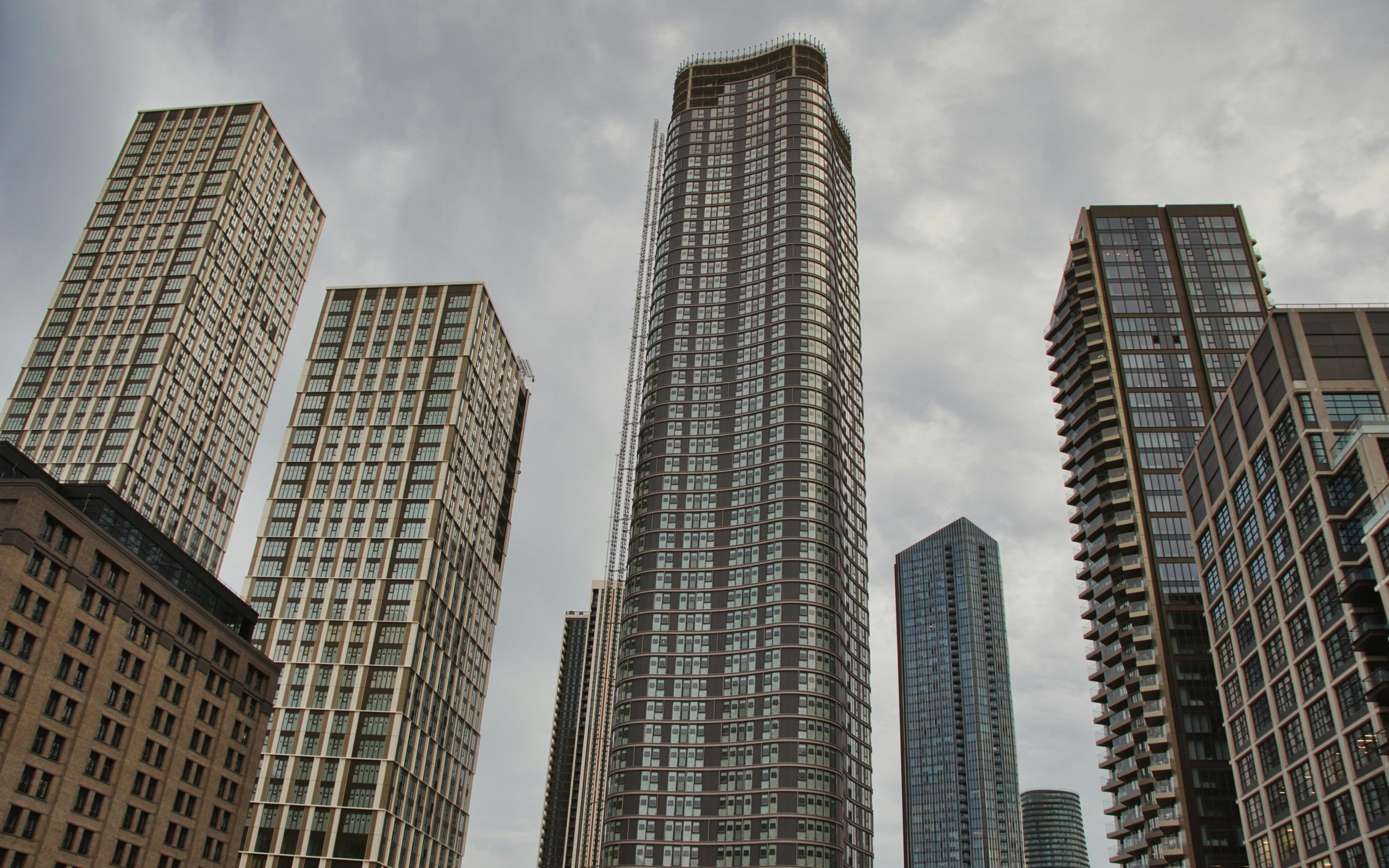
This is where smart network design becomes critical. Simplified installation processes, robust outside solutions and compact modular hardware can significantly reduce costs and deployment times. Equally, networks must be built for scalability, and be capable of supporting future bandwidth demands without repeated civil works, truck-rolls, or disruptive upgrades.
Crucially, with more end user dependencies on digital services, reliability must remain uncompromised as tolerance for outages continues to shrink. Engineering modern networks for resilience from day one is imperative to support consistent performance across the entire access network; not just at headline speeds.
Making investment work harder
Capital constraints remain one of the biggest barriers to modernization. Pressures mount on operators to deliver more, faster. All this with less, and as regulatory obligations become tighter and sustainability goals increase in scope.

To succeed, every investment must work harder. That means prioritizing solutions that reduce total cost of ownership over the network lifecycle – not just upfront spend. Equipment that is durable, energy-efficient and easy to maintain directly supports this goal. It lowers operational costs while improving network uptime.
Future-proofing is equally critical. Whether it’s higher fiber counts, new frequency bands, or evolving standards, today’s deployments must be ready for tomorrow’s requirements. Short-term fixes that lack upgrade paths create problems for later.
How vendors can help
Vendors play a vital role in helping operators navigate this challenge; not just as technology providers but as long-term partners. At Technetix, we see network modernization as a balance between innovation and practicality.
That means designing solutions that integrate seamlessly into existing networks, accelerate deployment, and deliver consistent performance in real-world conditions. It also means supporting operators with expertise, insight and a deep understanding of the operational pressures they face every day.
Modernization is not about chasing the newest technology for its own sake. It’s about building networks that are reliable, scalable and ready for what comes next without losing sight of today’s commercial realities.
Author: Amelia Streeter Smith
Amelia’s 25-year career spans telecoms, utilities, and transports sectors. Amelia has secured major contracts within the fiber telecommunications industries along the way, and joined Technetix in 2025 to help strengthen our European footprint. Off the clock, she enjoys watersports, competitive clay shooting, and cooking.